


 Know Exactly What You Want?
How to Set Up a Paddle Board Race with Friends

Introduction
There’s nothing quite like the thrill of gliding across the water, and adding a little friendly competition can elevate the experience to the next level. Whether you're on a calm lake, a slow-moving river, or a coastal bay, organizing a paddle board race with friends is easier than you might think-and far more fun than you imagine.
In this guide, we’ll show you exactly how to set up a successful SUP (Stand-Up Paddle) race, compare which types of boards work best in different racing conditions, and share key tips to make your event smooth, safe, and exhilarating.

1. Choose the Right Location
Calm water = better race.
For casual races, opt for flat, calm waters such as a lake, lagoon, or a protected bay. Avoid areas with high boat traffic or strong currents unless your group is experienced.
Top locations:
- Local lakes or reservoirs
- Slow-flowing rivers
- Wide and shallow coastal inlets
- SUP-friendly beaches with minimal surf
2. Select the Best Paddle Boards for Racing
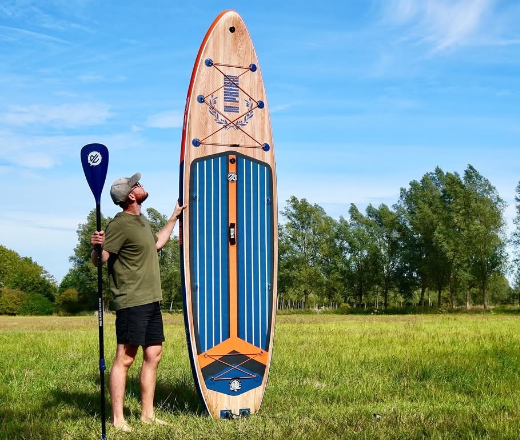
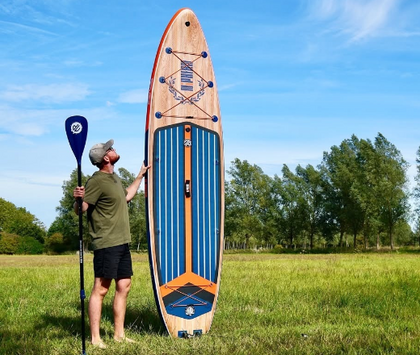
Not all paddle boards are created equal-especially for racing. Understanding the materials and shapes available will help you and your friends compete fairly or at least know who’s got the gear advantage.
Board Types to Consider:
| Board Type | Material | Best For |
|---|---|---|
| Inflatable SUP (iSUP) | Drop-stitch PVC | Beginners or casual racers; easier transport |
| Hard Shell SUP | Epoxy + Fiberglass | More speed, better glide, less flex |
| Carbon Fiber SUP | Carbon laminate | Elite racing; ultra-lightweight and stiff |
Racing Tip: If participants have wildly different boards, consider using a time handicap system based on board specs (length, width, weight).
3. Set Clear Rules and Race Formats
Establish race structure before you hit the water. Here are some popular options:
- Sprint (250–500 meters): Great for testing speed and paddle stroke efficiency.
- Loop Course (1 km+ circuit): Add strategy and stamina.
- Relay Race: Great for teams, adds variety.
- Obstacle Course: Use buoys, paddles, or floating markers for tight turns.
Be sure to:
- Mark the start and finish lines (using beach markers or floating buoys).
- Have at least one person as a timer or judge.
- Brief racers on safety and rules beforehand.
4. Safety First: What You’ll Need
Even for fun events, safety matters. Gear up with:
- Leashes: Coiled SUP leashes to stay connected to your board.
- PFDs (Personal Flotation Devices): Required in many areas.
- Hydration Packs: Stay fueled, especially on warm days.
- Whistles or Air Horns: For signaling start and emergency.
Extra safety tip: Assign one friend as the designated safety paddler to watch over the group.
5. Make It Social and Shareable
Paddle board racing isn’t just about performance—it’s a moment to capture and share.
- Set up a GoPro or action cam on one or two boards.
- Encourage racers to wear fun or themed gear.
- Use hashtags like @Niphean #SUPRaceDay #PaddleWithFriends or your own custom event name.
6. Celebrate and Cool Down
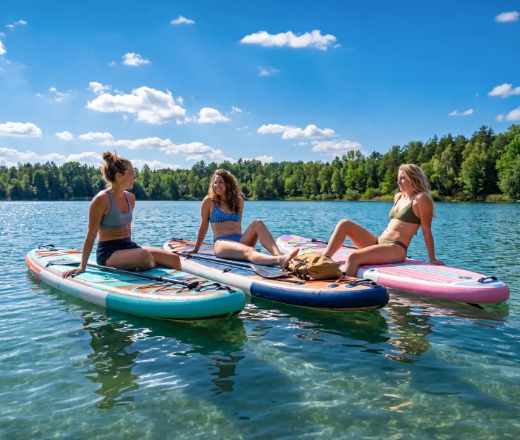
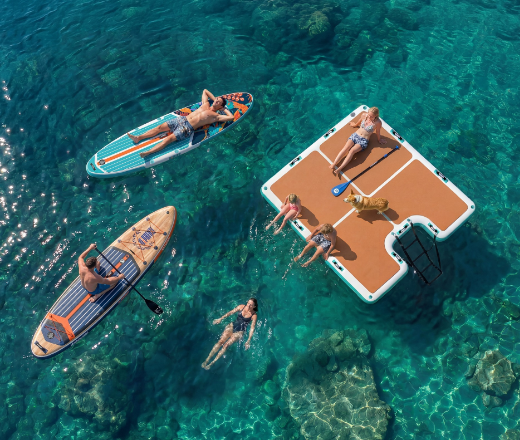
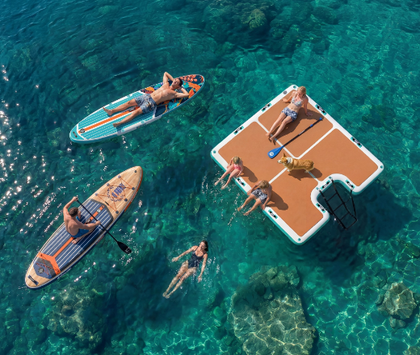
After the race, cool down with a group paddle or floating hangout session. Offer drinks, snacks, and maybe a prize for the winner (and last place—just for fun).
Final Thoughts
Setting up a paddle board race doesn’t require permits, sponsors, or pro gear—just the right people, a few boards, and a shared sense of adventure. Whether you're racing on inflatable SUPs or high-performance carbon fiber boards, the fun comes from the camaraderie and the splash-filled memories.
So, rally your crew, mark your course, and paddle for glory!


Laissez un commentaire