






 Know Exactly What You Want?
Paddle Boarding With Your Dog: A Guide to the First Trip

Estimated reading time: 5 minutes
Your dog may love the beach, but a paddle board adds a moving surface, shifting weight, and a paddle passing nearby. If you’re planning to try paddle boarding with your dog, get comfortable controlling the board on your own first. Then introduce your dog to each step gradually.
The first trip isn’t about distance. It’s about helping both of you feel comfortable enough to try again.
For the first trip:
- Practice boarding and settling at home.
- Check your equipment and choose sheltered water.
- Rehearse getting back aboard before leaving the launch.
- Start on your knees and watch your dog’s response.
Before You Go: Practice and Prepare
Check that you’re both ready
You should be able to launch, steer, stop, paddle on your knees, and get back onto the board without your dog aboard. Practice those skills first so you can focus on your dog later.
Your dog should be comfortable around water and respond to familiar cues. If they’re fearful, work on that before planning a ride. Ask your veterinarian if you’re unsure whether their health or mobility suits the activity.
Build a boarding routine

Set up your board according to its instructions on a level, non-slip surface that won’t damage it. Follow the inflation guidance for your model and remove the fin if needed to let the board rest securely.
Let your dog sniff the board, then place a treat on the grippy deck pad. Reward an approach or a paw on the deck before asking for more. Let them step off freely.
Once they climb on willingly, reward them for settling near the middle, leaving room for you and the paddle. Use a familiar “sit” or “down,” then introduce a consistent release cue, such as “okay,” before inviting them off.
Sit or kneel beside the board and move the paddle slowly, clear of their head and paws. Share the deck on land only if the board’s instructions and supporting surface allow it. Don’t deliberately rock or load an unsupported board; introduce movement at the shoreline.
Pack and choose your launch
Bring properly fitted life jackets for both of you, fresh water and a bowl, treats, a towel, poop bags, and a waterproof bag for essentials. Wear your life jacket on the water, and let your dog get used to theirs at home.
Check the board’s instructions and capacity for you, your dog, and all your gear. Weight isn’t the only consideration: your dog needs grippy space to settle, and you need room to paddle. Skip any towel or mat that slips or bunches under their paws.

Choose calm, sheltered water with easy shore access, away from currents, waves, boat traffic, and distractions. Check dog access rules, water temperature, wind, weather, and local advisories. Recheck conditions on arrival and postpone if they exceed your experience or equipment.
During the Trip: Start Slowly
Practice at the shoreline
In calm, shallow water with secure footing and clearance for the fin, hold the board steady. Invite your dog onto their familiar spot and reward a brief pause before joining them.
If they hesitate, reward a smaller step, such as approaching the deck. Don’t lift a reluctant dog aboard and paddle away. Shoreline practice can be the whole outing.
Before leaving the launch, rehearse helping your dog back aboard in controlled conditions where you can safely stand and assist. Follow the life jacket’s instructions; not every handle is designed to lift a dog’s full weight. If you can’t manage the return comfortably, arrange hands-on instruction before paddling out together.
Take the first few strokes

Once your dog settles on the floating board and you’ve practiced getting back aboard, join them in a kneeling position. Pause while they adjust, then take a few slow strokes near the launch.
Keep your dog near the middle, where you can see them and move the paddle without contact. You can stay on your knees for the entire trip. Keep a clear route back and watch for changing wind or nearby activity.
Return if your dog repeatedly heads for the edge, paces, trembles, freezes, or tries to climb onto you. Unusual heavy panting or refusing familiar treats also warrants a pause. These behaviors can have different causes; don’t wait farther from shore for them to resolve.
If your dog enters the water
A sudden jump can shift the board. Use the return-to-board method you practiced:
- Stop paddling and stay low and balanced.
- Keep the board alongside your dog so they can approach.
- Use a suitable life jacket handle as instructed to assist them aboard, never their collar.
- Let them settle before moving.
Don’t tether your dog to the board, and keep loose lines clear of paws and legs. Head back if they’re unsettled or conditions change.
After the Trip: Return and Review
Land and check in
Approach slowly on your knees. Use your familiar wait cue, steady the board at a suitable landing spot, and release your dog when they can step off safely. Watch for rocks, shells, and other hazards.
Offer fresh water and rest. Check paws for cuts or trapped debris, and rinse paws and coat after salt or brackish water. Follow the equipment’s care instructions and dry it before storing.
Seek veterinary advice promptly for unusual tiredness, vomiting, poor coordination, or continued distress after the outing.
Plan the next visit
Notice what needs practice: boarding, paddle movement, or settling once afloat. Repeat the familiar routine next time and extend the outing gradually when conditions and your dog’s comfort allow.
If your dog finishes calmly and is willing to get on again next time, you’ve made a good start.
Better Together, On and Off the Water
From getting the board ready to spending time by the water, there’s more than one way to share the day with your dog.


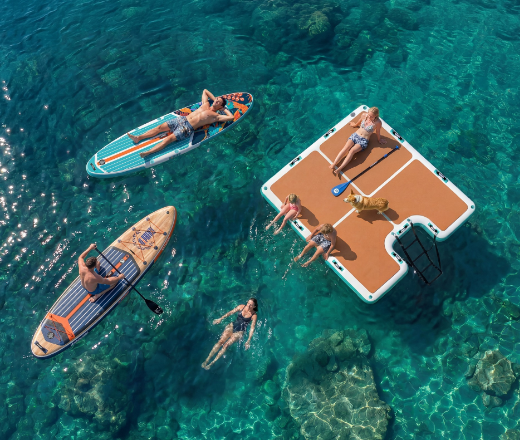
These photos show different moments, not a step-by-step safety demonstration. On the water, both you and your dog should wear properly fitted life jackets.
Niphean. Right on the Water.


Lascia un commento